Why Human Error is the Biggest Cybersecurity Risk for Transit Agencies

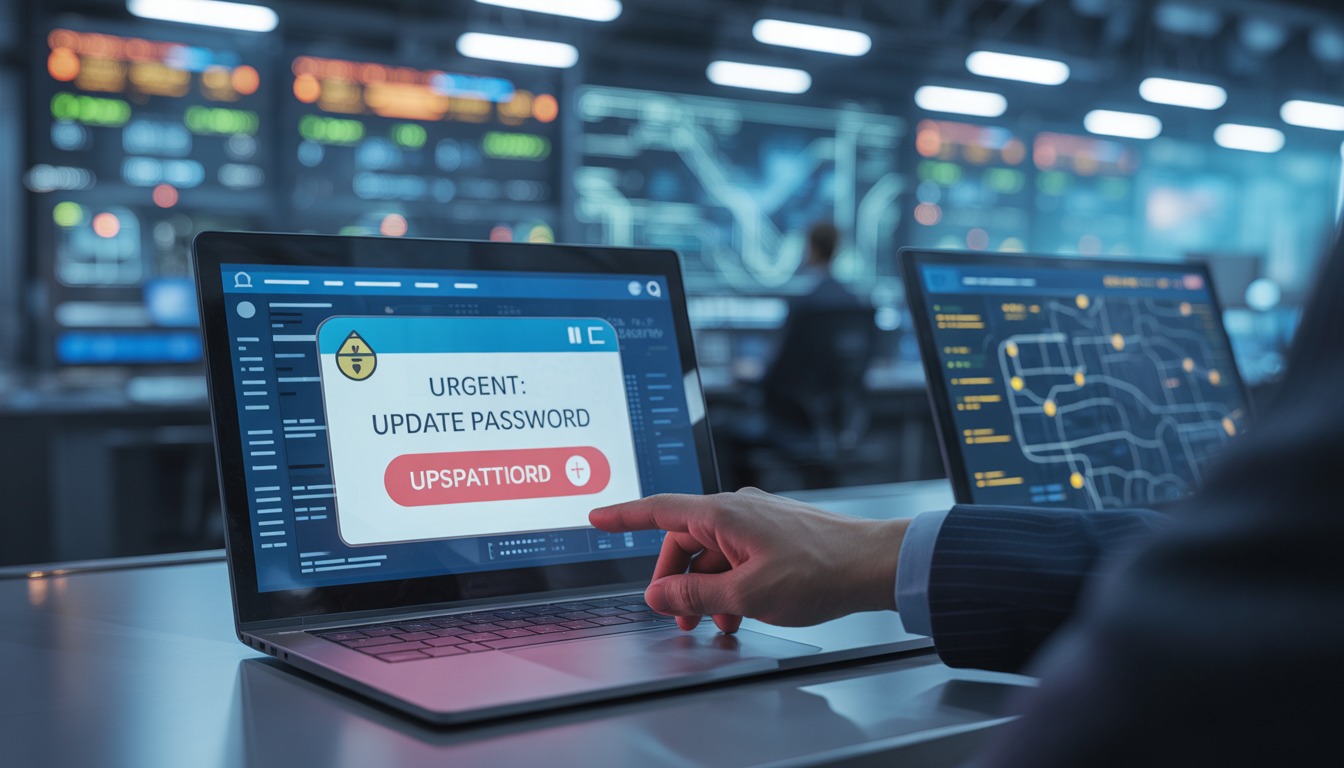
Table of Contents
Why Human Error is the Biggest Cybersecurity Risk for Transit Agencies
Public transit agencies are the circulatory system of our cities. It connects communities, drives economies, and is increasingly becoming the backbone of the "smart city" revolution. However, as trains, buses, and signaling systems move from analog to digital, they are exposing a new, invisible vulnerability. Agency directors often worry about skilled nation-state hackers or tricky coding problems. However, the reality is usually simpler and more frustrating.
The biggest cybersecurity risk for transit agencies isn't a super-hacker in a hoodie; it is human error.
Human mistakes are the main cause of most cyber attacks. This includes a tired employee clicking a phishing link or an IT admin not fixing a known problem. For the transit industry, which manages critical infrastructure and millions of passenger journeys daily, the stakes could not be higher.
This post looks at why the human element is important. It also discusses the dangerous gap in preparedness. Finally, it explains what agencies must do to secure digital doors.
The Human Factor: The Primary Vulnerability
Why is the human element the weak link in the security supply chain? It comes down to the convergence of Operational Technology (OT) and Information Technology (IT).
Historically, transit operations, which move trains and change signals, were "air-gapped." This means they were physically separate from the internet. That is no longer the case.
To enable real-time tracking, predictive maintenance, and digital ticketing, OT and IT have merged. A mistake in the corporate email system (IT) can let an attacker access the control systems (OT).
Phishing and Fatigue
The most common vector for ransomware is phishing. Cyber criminals engineer emails that look legitimate, prompting employees to download a file or reveal credentials. In the busy world of transit system operations, shift work and fatigue are common. This makes it more likely for an employee to make a quick mistake in judgment.
Misconfiguration and Updates
Human error also encompasses neglect. The Mineta Transportation Institute (MTI) found that many agencies struggle with basic hygiene.
- This includes not changing default passwords on new devices.
- It also includes not revoking access for former employees.
- Additionally, it involves delaying important software updates.
These small oversights create the cracks that criminals pry open.
The Disconnect: Perceived vs. Actual Preparedness
There is a dangerous psychological gap occurring within transit boardrooms. Research from the Mineta Transportation Institute shows a significant difference. Agencies feel safe, but the reality is different. They are not as safe as they believe.
The data reveals a troubling disconnect:
- 80% of transit industries surveyed believe they are prepared for a cybersecurity threat.
- Only 60% actually have a cybersecurity program in place.
This overconfidence bias is a significant liability. When leaders feel the organization is secure, they are less likely to approve more money for security training. They also hesitate to invest in advanced threat detection tools.
The gap deepens when looking at the specifics of preparedness. The same study highlighted that over 50% of agencies do not keep system logs for longer than a year. Logs are the black box of cybersecurity; without them, forensic analysis after an attack is nearly impossible.
Furthermore, 36% of agencies lack a cyber disaster recovery plan, and 67% lack a crisis communications plan. If an attack happens, these agencies are easier to breach. They also struggle to see what is happening during recovery.
Real-World Consequences: When Systems Go Dark
The theoretical risk of human error has unfortunately been proven by real-world events. In recent years, several major U.S. transit agencies have suffered debilitating attacks. These incidents underscore that the impact is not just financial—it disrupts the daily lives of thousands of commuters.
Sacramento Regional Transit (2017)
In November 2017, hackers breached the Sacramento Regional Transit (SacRT) network. The attackers deleted data and changed the website. They demanded a ransom of one Bitcoin, worth about $8,000 at that time.
The Impact: The attack deleted roughly 30% of the agency's files. While bus and light rail services continued to operate, the digital infrastructure was crippled.
The Response: SacRT refused to pay the ransom. Because they had a robust backup strategy, they were able to restore 80% of their data. This case demonstrates the power of backups and warns how easily a network can become compromised.
SEPTA (2020)
The Southeastern Pennsylvania Transportation Authority (SEPTA) faced a malware attack that highlights the operational pain of cyber incidents.
The Impact: The attack didn't stop the trains, but it severed the flow of information. For weeks, the agency could not provide real-time travel data to riders. The customized app, which thousands relied on for scheduling, went dark.
The Lesson: Disruption of information is a disruption of service. In a modern transit environment, if riders don't know when the bus will arrive, they effectively break the system.
Maryland Transit Administration (2025)
The Maryland Transit Administration (MTA) in the United States was recently hit by a ransomware attack. The Rhysida gang claimed responsibility for this attack.
The Impact: The attackers demanded a staggering $3.4 million ransom. This breach caused real data loss, unlike past attacks that aimed to disrupt. It puts the agency at risk of legal and reputational harm.
The Lesson: The cost of cybercrime is escalating. As agencies collect more personal data on riders and employees, they become more lucrative targets for extortion.
Impact of Remote Work on the Attack Surface
The COVID-19 pandemic forced a rapid digital transformation that the transit industry was not fully prepared for. Administrative staff, dispatchers, and support teams moved to remote work overnight. This shift fundamentally changed the attack surface for transit agencies.
The Home Network Vulnerability
Suddenly, the perimeter of the agency's network extended to the living rooms of its employees. Staff began accessing sensitive operational data via home Wi-Fi networks, which are rarely as secure as corporate environments. The use of personal devices (BYOD) to check email or access agency portals introduced new entry points for malware.
VPN Exploitation
To facilitate this access, many agencies rapidly deployed Virtual Private Networks (VPNs). If VPNs are not set up correctly, they can be vulnerable. Using weak passwords without Multi-Factor Authentication (MFA) makes them even easier targets for attackers.
Cyber criminals began targeting VPN credentials specifically to gain a foothold in the network. Once inside, they could move laterally from the remote worker's laptop into the agency's central servers.
Regulatory Landscape: Tightening the Rails
Recognizing that voluntary measures were insufficient, the federal government has moved toward a more prescriptive regulatory model. The days of "best effort" cybersecurity in transit are ending.
TSA Security Directives
The Transportation Security Administration (TSA) has issued Security Directives. These are SD 1580-21-01 for freight and SD 1582-21-01 for rail transit. They require certain actions to be taken. These are no longer suggestions; they are requirements.
- Cyber Coordinator: Agencies must designate a primary cybersecurity coordinator who is accessible to the TSA and CISA 24/7.
- Incident Reporting: Cyber incidents must be reported to CISA within 24 hours.
- Vulnerability Assessments: Agencies must conduct assessments to identify gaps in their IT and OT systems.
- Incident Response Plans: Agencies must develop and adopt a comprehensive plan to reduce the risk of operational disruption.
FTA and CISA Oversight
The Federal Transit Administration (FTA) is also increasing its oversight. The FTA now incorporates cybersecurity reviews into its triennial audits. To help agencies, they published the "Cybersecurity Assessment Tool for Transit" (CATT). This tool is meant for agencies to check their maturity.
Additionally, the Cybersecurity and Infrastructure Security Agency (CISA) has designated surface transportation as a critical infrastructure sector. Their "Shields Up" initiative provides guidance and threat intelligence, emphasizing that transit agencies are now on the front lines of national security.
Strategic Recommendations for Transit Agencies
To combat human error and close the preparedness gap, transit agencies must transition from a reactive stance to a risk-first approach.
1. Implement Phishing-Resistant MFA
Password policies are not enough. Human error regarding passwords (reusing them, writing them down) is inevitable. Agencies must implement Multi-Factor Authentication (MFA) across all access points, especially for remote access and email. Moving toward FIDO2-compliant keys or hardware tokens is superior to SMS-based 2FA, which can be intercepted.
2. Move to Zero Trust Architecture
Assume human error will happen. Assume a breach will occur. A Zero Trust architecture ensures that even if a user clicks a malicious link, the damage is contained. By segmenting networks—keeping the passenger Wi-Fi separate from the signaling system and the HR database separate from the control center—you limit the "blast radius" of an attack.
3. Immutable Backups
As seen in the Sacramento case, backups are the ultimate safety net. However, modern ransomware specifically targets backup files to force payment. Agencies must utilize immutable backups—data copies that cannot be altered or deleted, even by an administrator, for a set period. These should be stored off-site or in a separate cloud environment.
4. Continuous, Relevant Training
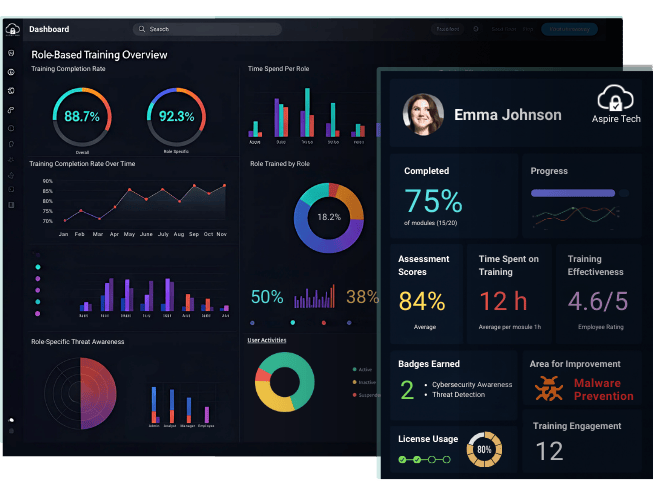
Annual compliance training is often clicked through and forgotten. Security awareness training must be continuous and relevant to the specific roles in transit.
- Simulations: Run regular phishing simulations that mimic real-world cyber threats (e.g., fake emails about shift changes or benefits updates).
- Role-Based Training: Dispatchers need different training than HR staff. Tailor the content to the specific threats they face.
5. Leverage AI and Financial Security Tools
With the volume of data increasing, human teams cannot monitor every log entry. AI-driven threat detection tools can establish a baseline of "normal" network behavior and instantly flag anomalies that might indicate a compromised user account. Additionally, implementing strict financial security tools for vendor payments can prevent Business Email Compromise (BEC) scams, where attackers pose as vendors to redirect funds.
6. Collaborate with the Department of Homeland Security on Cyber Risk Management
Public transportation agencies must align their cyber risk management strategies with best practices outlined by the Department of Homeland Security (DHS). By adopting DHS-recommended frameworks and engaging in sector-specific cybersecurity programs, transit agencies can enhance their defenses against cyber threats targeting transportation systems. Regularly participating in threat intelligence sharing initiatives and conducting joint assessments with DHS can help agencies stay ahead of emerging threats, improve incident response capabilities, and ensure the resilience of their computer systems and infrastructure.
Conclusion: The Urgency to Mature
The transit industry is at a crossroads. The technology driving modern mobility offers immense benefits, but it requires a foundation of trust. That trust is eroded every time a system goes down or data is stolen.
While agencies cannot eliminate the possibility of human error, they can eliminate the consequences of that error. By acknowledging the gap between perceived and actual preparedness, adhering to new federal directives, and implementing a defense-in-depth strategy, transit leaders can ensure that a single click does not derail an entire network. The biggest cyber security risk for transit agencies may be human, but the solution lies in resilient, intelligent systems that protect us from ourselves.
About the Author
James Carter · Cybersecurity Analyst
James is a cybersecurity expert with over 15 years of experience in security awareness training. He has helped hundreds of organizations build stronger human firewalls through innovative training approaches.
Stay Updated
Get the latest cybersecurity insights delivered to your inbox.

Related Articles